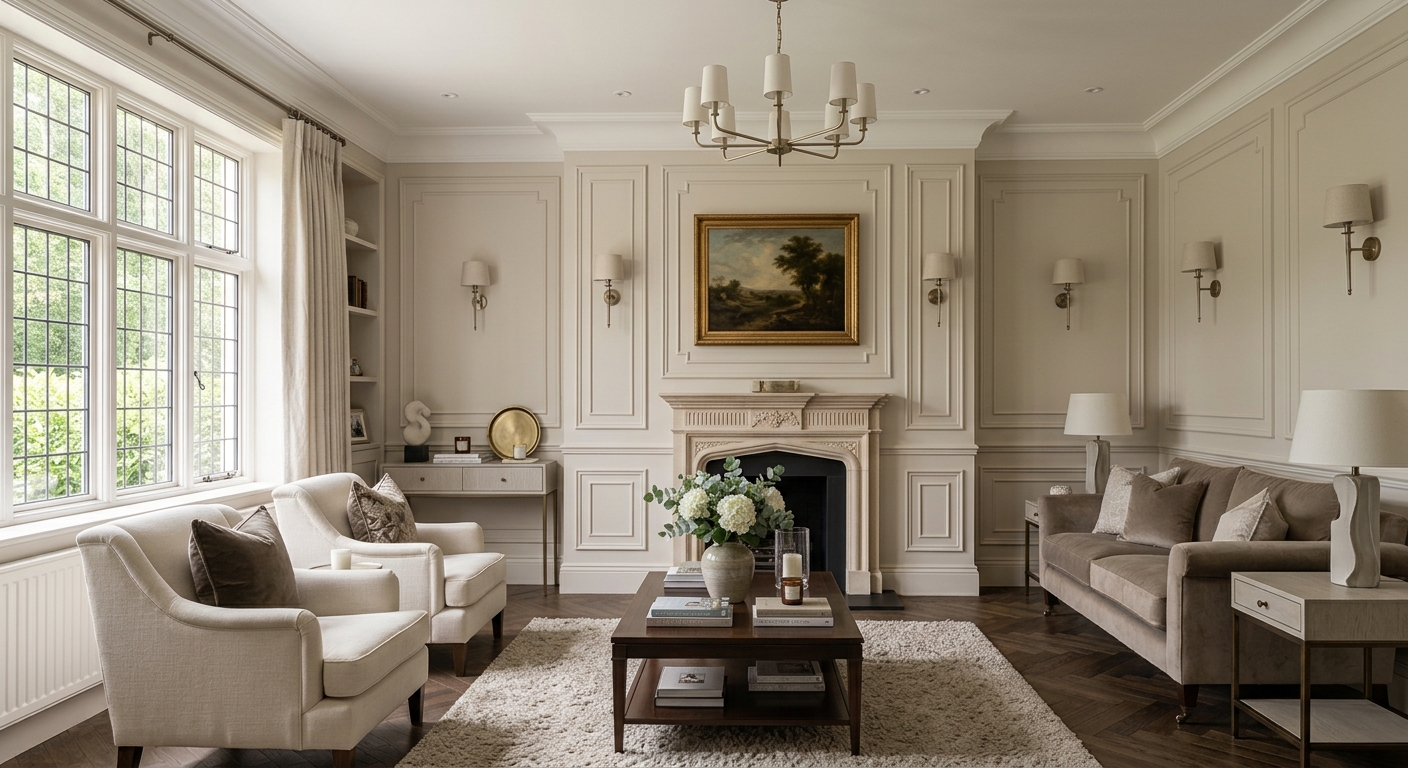
A well-designed wall can transform the entire atmosphere of a room, making it feel more organized, elegant, and visually appealing. While furniture and color choices are important, architectural details often determine how balanced an interior looks. Wall molding is a simple yet effective way to introduce structure, define spaces, and add character without making a room feel overcrowded. Choosing the right decorative wall molding allows homeowners to enhance their interiors while maintaining harmony between architectural features, furniture, and decorative elements.
Understanding Proportion in Wall Molding Design
Proportion is one of the most important principles when planning a molding layout. The size of each molding profile should relate naturally to the dimensions of the wall and the overall scale of the room. Wide profiles may look impressive in spacious living rooms with high ceilings, but they can overwhelm smaller bedrooms or narrow hallways.
For compact spaces, slim molding profiles often create a more refined appearance. They add subtle definition without taking up too much visual space. Larger rooms, on the other hand, can accommodate broader frames and more prominent architectural details.
Ceiling height should also influence the design. Tall walls can benefit from vertically arranged panels that emphasize height, while wider horizontal layouts can help create a sense of balance in rooms with expansive wall surfaces. The goal is to ensure that the molding enhances the architecture rather than competing with it.
Creating Symmetry for a Balanced Interior
Symmetry helps establish order and gives a room a polished appearance. It is particularly effective in formal living rooms, dining areas, and bedrooms where furniture arrangements often follow a central focal point.
One practical approach is to create matching rectangular panels on either side of a fireplace, headboard, or central artwork. Repeating similar shapes and maintaining consistent spacing helps the entire wall feel intentional.
However, symmetry does not always require identical arrangements across every surface. A room with an off-center window or an unusual architectural feature may benefit from an adjusted layout. In these situations, visual balance matters more than perfect duplication.
Before installing molding, measure the wall carefully and mark the planned panel positions. Consider the location of doors, windows, electrical outlets, and furniture to prevent awkward gaps or uneven-looking sections.
Using Visual Rhythm to Connect Wall Sections
Visual rhythm refers to the way repeated shapes, lines, and spaces guide the eye across a room. In wall molding design, rhythm is created through consistent panel sizes, repeating profiles, and carefully planned intervals.
For example, a sequence of evenly spaced rectangular frames can make a long hallway feel organized and connected. In a living room, repeating molding patterns across adjacent walls can create continuity without requiring identical decorations everywhere.
Spacing is just as important as repetition. Panels placed too close together may make a wall appear crowded, while excessive gaps can weaken the overall composition. A thoughtful balance between solid wall space and decorative framing produces a more comfortable visual experience.
Designers can also introduce subtle variations in panel width to accommodate different wall dimensions while preserving the same general pattern.
Choosing Colors and Finishes
Color can either highlight molding or help it blend into the surrounding architecture. Painting molding the same color as the wall creates a sophisticated, understated effect. Light and shadow reveal the profile, adding depth without introducing strong contrasts.
For a more traditional appearance, contrasting white molding against a deeper wall color can emphasize decorative details. Neutral shades such as warm beige, soft gray, and muted cream are versatile options for both classic and contemporary interiors.
The finish should also complement the room's lighting and existing materials. Testing paint samples under natural and artificial light can help avoid unexpected differences in appearance.
Avoiding Common Molding Design Mistakes
Several mistakes can reduce the impact of an otherwise attractive design. Choosing oversized profiles for a small room, ignoring furniture placement, or using inconsistent spacing can make a wall feel unbalanced. Installing too many decorative elements may also distract from the room's main focal point.
A successful design begins with a clear plan. Sketch the layout, calculate the measurements, and review how the molding will interact with nearby architectural features before installation.
Conclusion
Proportion, symmetry, and visual rhythm work together to create attractive wall molding designs. By selecting suitable profiles, maintaining balanced spacing, and coordinating colors with the surrounding interior, homeowners can achieve a polished result that suits their personal style. Careful planning ensures that molding adds depth and architectural interest while preserving the room's overall harmony and functionality. Choosing Molding Profiles for Small and Large Rooms
#PolyurethaneMolding #HomeDecor