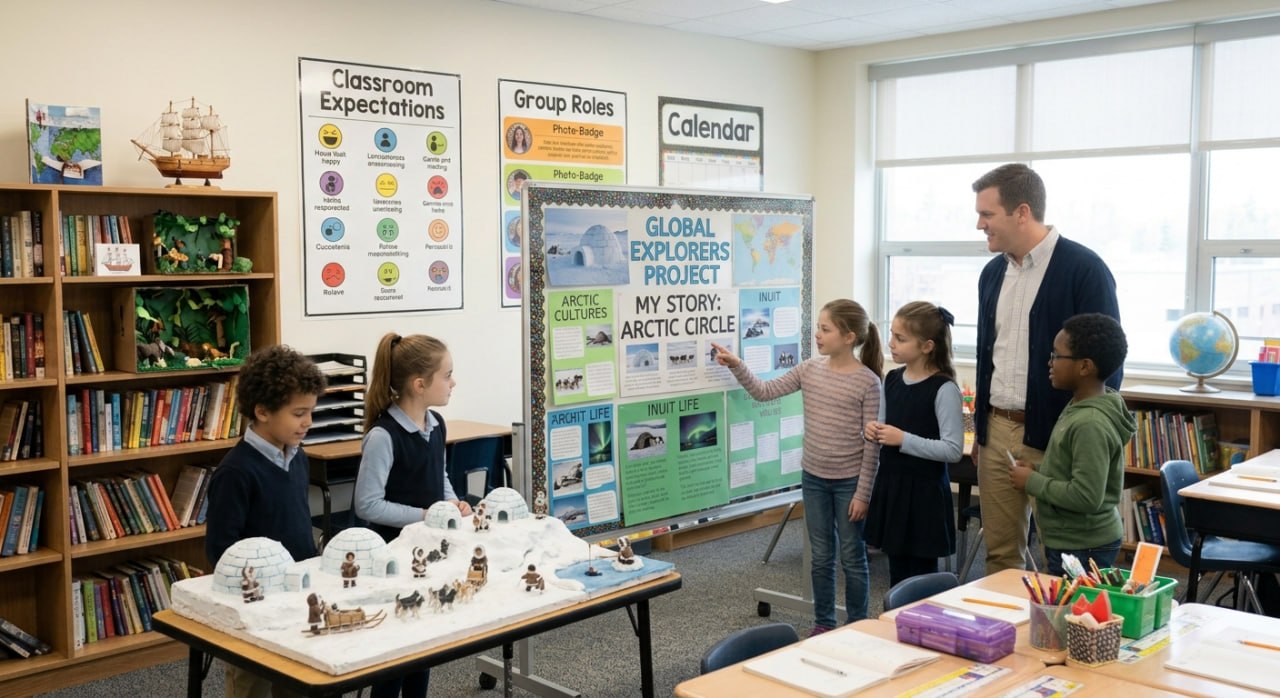
Managing a classroom can be challenging, especially when students display disruptive behavior, struggle to follow instructions, or have difficulty staying focused. Every student has a different personality, learning style, and emotional background. Therefore, teachers need patience, flexibility, and practical approaches to create a positive learning environment. Understanding the reasons behind challenging behavior is the first step toward helping students succeed academically and socially.
One of the most effective ways to improve classroom behavior is to implement classroom management strategies for difficult students that focus on understanding, consistency, and positive communication. Instead of relying only on punishment, teachers should identify what causes certain behaviors and provide appropriate support. When students feel respected, understood, and encouraged, they are more likely to participate positively in classroom activities.
1. Establish Clear Classroom Rules and Expectations
Students need to understand what is expected of them. At the beginning of the school year, teachers should introduce simple, clear, and age-appropriate classroom rules. These rules might include listening when others speak, respecting classmates, completing assignments, and following instructions.
It is also important to explain the reasons behind each rule. When students understand how their actions affect others, they are more likely to follow classroom expectations. Teachers should apply rules consistently so that every student feels treated fairly.
2. Build Positive Relationships With Students
Strong teacher-student relationships play an important role in classroom management. Students are more likely to cooperate with teachers when they feel valued and respected. Taking a few minutes to talk with students, listen to their concerns, and recognize their interests can make a meaningful difference.
Teachers should avoid labeling students as troublemakers. Instead, they should focus on individual behavior and encourage improvement. A friendly conversation can sometimes resolve problems more effectively than repeated warnings or punishment.
3. Use Positive Reinforcement
Recognizing good behavior encourages students to repeat positive actions. Teachers can use verbal praise, classroom privileges, achievement certificates, or small rewards to acknowledge effort and improvement.
For example, when a student who usually interrupts others waits patiently for their turn, the teacher can recognize that behavior. Positive reinforcement should be genuine and specific. Rather than simply saying "Good job," teachers can explain what the student did well.
4. Understand the Reasons Behind Difficult Behavior
Challenging behavior does not always mean a student is intentionally disrespectful. Sometimes, students act out because they feel frustrated, anxious, overwhelmed, or unable to understand a lesson.
Teachers should observe patterns and identify situations that trigger disruptive behavior. For example, a student may become restless during lengthy lessons or struggle when given complicated instructions. Breaking activities into smaller tasks, offering additional guidance, and providing short movement breaks can help address these challenges.
5. Maintain Consistency and Structure
A predictable classroom routine helps students feel comfortable and secure. Teachers should establish consistent schedules for lessons, activities, assignments, and transitions.
Visual schedules, reminders, and clear instructions can make daily routines easier to follow. When students know what comes next, they are less likely to become confused or disruptive. Consistency also helps teachers manage expectations without constantly repeating instructions.
6. Encourage Student Participation
Students who feel involved in classroom activities are often more interested in learning. Teachers can encourage participation through group discussions, interactive lessons, educational games, creative projects, and practical activities.
Giving students small responsibilities, such as distributing materials or helping organize classroom resources, can also build confidence and accountability. These opportunities allow students to feel that they are important members of the classroom community.
7. Communicate With Parents and Guardians
Sometimes, classroom challenges require cooperation between teachers and families. Regular communication can help teachers understand a student's needs, interests, and circumstances.
Instead of contacting parents only when problems occur, teachers should also share positive updates and achievements. Working together allows teachers and families to develop consistent approaches that support the student's development.
Conclusion
Managing difficult classroom behavior requires patience, understanding, and consistent effort. Teachers can create a supportive learning environment by establishing clear expectations, building positive relationships, recognizing good behavior, and identifying the reasons behind disruptive actions.
Most importantly, every student deserves an opportunity to improve. When teachers focus on guidance rather than punishment, they help students develop confidence, responsibility, and stronger social skills. A well-managed classroom is not simply one without disruptions; it is a welcoming environment where every student feels respected, supported, and motivated to learn.