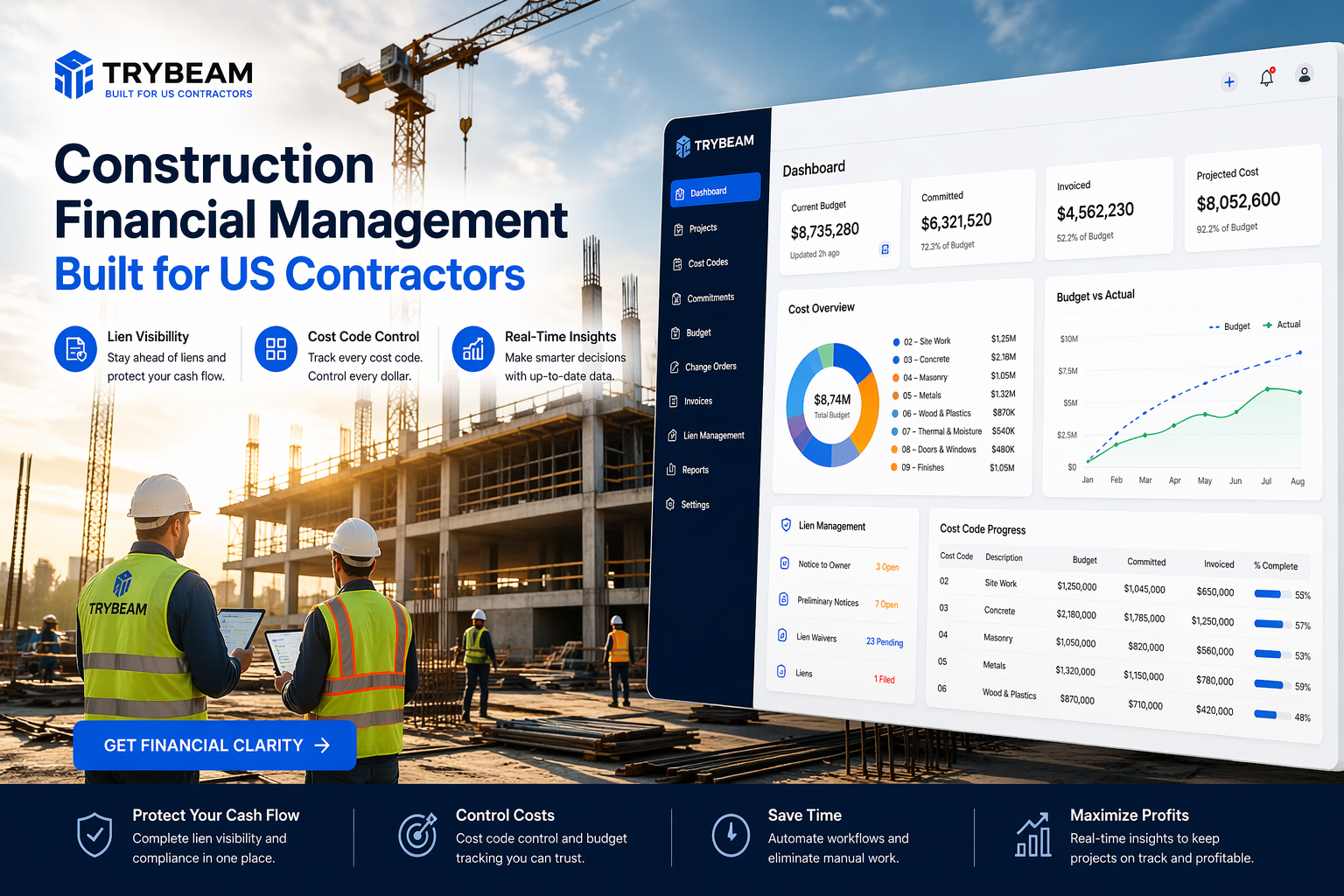
In the construction industry, subcontractors often face complex financial challenges such as tracking job costs, managing cash flow, handling multiple project payments, and staying compliant with contract requirements. As projects become larger and more demanding, having a reliable financial management system is no longer optional but essential for long-term success. This is where beam software plays an important role by offering a structured and efficient way to manage construction finances specifically designed for subcontractors.
beam software is built to simplify the financial operations that subcontractors deal with on a daily basis. Instead of relying on spreadsheets or disconnected tools, subcontractors can use a centralized platform that brings together budgeting, invoicing, cost tracking, and reporting. This helps reduce human error and ensures that every dollar spent or earned on a project is properly recorded and analyzed in real time.
One of the biggest advantages for subcontractors using modern construction financial software is improved job costing accuracy. Many subcontractors struggle to determine whether a project is truly profitable until it is completed. With beam software, financial data is updated continuously, allowing users to monitor labor costs, material expenses, and overhead allocation throughout the project lifecycle. This real-time visibility helps subcontractors make faster and more informed decisions.
Cash flow management is another critical area where subcontractors benefit. Delayed payments from general contractors can create financial pressure, especially for smaller subcontracting firms. With organized invoicing systems and payment tracking tools, subcontractors can better manage billing cycles and follow up on outstanding payments efficiently. This reduces delays and improves overall financial stability.
Compliance and documentation are also major concerns in construction projects. Subcontractors must often submit detailed reports, lien waivers, and compliance documents to ensure they meet contractual obligations. A structured system like beam software helps automate and organize these requirements, reducing administrative workload and ensuring that important documents are never missed or misplaced.
Another key benefit is improved project collaboration. Subcontractors often work with multiple teams, suppliers, and contractors at the same time. Having a centralized financial platform ensures that all stakeholders are aligned with the same data, reducing miscommunication and disputes. This improves trust and helps projects move forward more smoothly.
In addition, reporting and analytics features allow subcontractors to gain deeper insights into their business performance. By analyzing project profitability, expense trends, and resource utilization, subcontractors can identify areas for improvement and optimize future project planning. This data-driven approach supports long-term growth and competitiveness in a highly competitive industry.
Overall, construction subcontractors need tools that are practical, reliable, and built specifically for their operational challenges. Traditional accounting systems often fall short because they are not designed for the complexity of construction workflows. Beam software addresses this gap by offering a focused financial management solution that helps subcontractors stay organized, profitable, and in control of their projects from start to finish.
As the construction industry continues to evolve, subcontractors who adopt modern financial management systems will be better positioned to handle growth, reduce risks, and maintain strong financial health across all projects. Trybeam All‑in‑One Construction Financial Software for Estimating and Billing
#constructionsoftware #fintech #saassoftware